Property matters within families are often emotional, complex, and sometimes confusing. Many people grow up hearing terms like “yeh purkhon ki property hai” (this is ancestral property), but when it comes to actually claiming a share, things may not feel as straightforward.
If you’ve ever wondered whether you have a right in your family’s ancestral property, this guide aims to give you a simple, practical understanding, without getting too technical.
What is Ancestral Property?
In simple terms, ++ancestral property++ is usually understood as property that has been passed down through generations within a family.
It is often associated with:
- Property inherited from forefathers
- Assets that remain undivided within the family
- Property shared across multiple generations
However, not every inherited property may automatically qualify as ancestral in all situations. The classification can depend on how the property was acquired and transferred over time.
Who May Have a Claim in Ancestral Property?
Traditionally, ancestral property is believed to be shared among family members by birth. This means that, in many situations, children may be considered to have a potential interest in such property.
This could include:
- Sons and daughters
- Family members across generations
In recent years, there has been growing awareness around equal rights, especially for daughters. However, how these rights apply in real-life cases can depend on various factors like family structure, documentation, and applicable laws.
Can You Legally Claim Your Share?
This is one of the most common questions, and the answer is not always simple.
In many cases, a person may have a right to claim a share, but:
- The property should qualify as ancestral
- There should be clarity on ownership and lineage
- Proper legal procedures may be required
Family agreements, prior partitions, or property transfers can also affect whether a claim is possible.
Because of these variables, outcomes may differ from one situation to another.
Common Situations Where Disputes Arise
Property disputes within families are more common than we think. Some typical scenarios include:
- Disagreements between siblings
- Confusion over inherited vs self-acquired property
- Lack of proper documentation
- Verbal family arrangements not recorded officially
These situations can sometimes lead to long discussions, stress, and even financial strain.
What is the Difference Between Ancestral and Self-Acquired Property?
Understanding this difference is important before making any claim.
Ancestral Property
- Passed down through generations
- May involve shared rights among family members
Self-Acquired Property
- Purchased or earned by an individual
- The owner may have more control over how it is distributed
Sometimes, confusion between these two types of property leads to misunderstandings and disputes.
What Should You Do Before Claiming a Share?
Before taking any step, it may help to approach the situation calmly and practically.
You could consider:
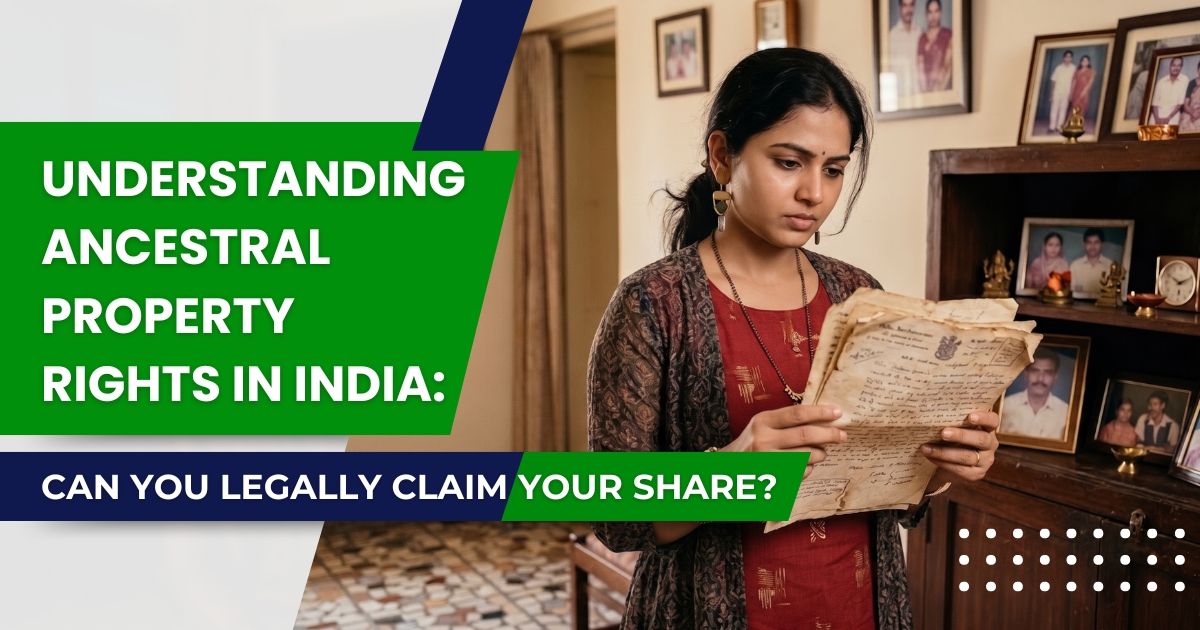
- Reviewing property documents
- Understanding your family structure and history
- Having open discussions with family members
- Seeking professional guidance if needed
Rushing into legal action without clarity can sometimes complicate matters further.
How Property Disputes Can Affect Financial Stability
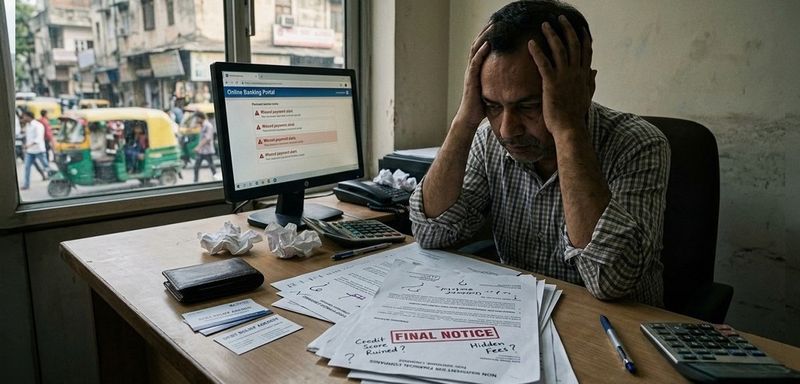
Ongoing disputes—especially related to property, can sometimes lead to unexpected financial pressure.
For example:
- Legal expenses may increase over time
- Loan obligations may become difficult to manage
- Family stress can impact financial decisions
In some cases, individuals dealing with property issues may also face challenges like loan repayment stress or credit-related concerns.
Where Financial Support Services May Help
If financial pressure builds up due to disputes or other reasons, some people explore support options such as:
- Loan settlement guidance
- Credit card payment restructuring
- Debt management support
- Assistance in handling recovery-related stress
These services do not replace legal advice but may help manage the financial side of difficult situations.
Final Thoughts
Ancestral ++property rights in India++ are often discussed, but understanding them fully requires looking at each situation individually.
Instead of relying on assumptions, it may help to:
- Gather the right information
- Stay informed about your rights
- Approach disputes with clarity and patience
And if financial challenges arise alongside these issues, seeking timely support can help you stay more in control.