Introduction to Family Disputes and the Role of Mediation
Family disputes are an unfortunate but common reality, often leading to emotional and financial stress. But here’s the thing: not every disagreement needs to end in a courtroom battle.
The Common Nature of Family Disputes
From disagreements over child custody to property settlements, family conflicts can escalate quickly, creating long-term rifts.
Why Avoid Court?
Going to court is expensive, time-consuming, and often makes family relationships worse. Legal battles can create permanent animosity, especially in sensitive matters like child custody.
What is Mediation?
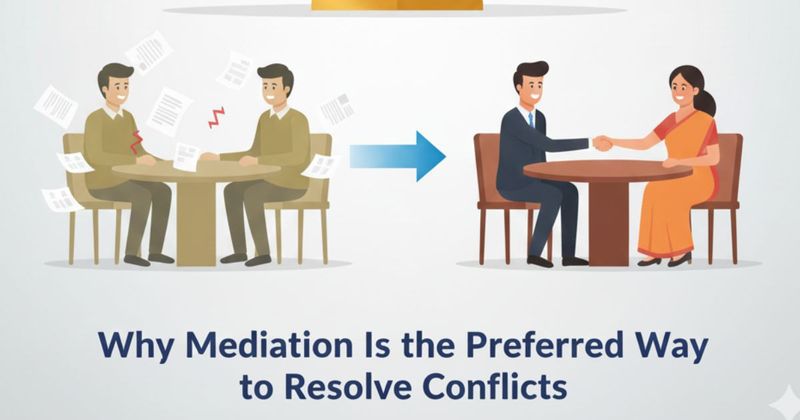
Mediation is a structured process where a neutral third party helps families resolve disputes amicably. Instead of focusing on winning or losing, mediation emphasizes collaboration and mutual understanding.
How Mediation Works
The Mediation Process Explained
The process begins with both parties agreeing to participate. The mediator facilitates discussions, helping identify issues and explore solutions. Sessions are typically informal and guided by mutual respect.
Role of a Mediator
A mediator does not take sides or make decisions. Instead, they guide discussions to keep them productive and focused on resolution.
Key Principles of Mediation
- Neutrality: The mediator remains impartial.
- Confidentiality: Discussions stay private.
- Voluntary Participation: Both parties choose to engage willingly.
Benefits of Mediation Over Litigation
Cost-Effectiveness
Legal fees can add up quickly in court battles. Mediation, on the other hand, is much more affordable.
Time Savings
While court cases can drag on for months or even years, mediation typically resolves issues in a matter of weeks.
Privacy and Confidentiality
Court proceedings are public record, but mediation sessions are private, allowing sensitive matters to remain discreet.
Maintaining Relationships
Unlike the adversarial nature of court cases, mediation fosters collaboration, which is crucial when ongoing relationships, such as co-parenting, are involved.
Types of Family Disputes Addressed by Mediation
Divorce and Separation
Mediation helps divorcing couples reach agreements on property division, spousal support, and other critical matters without escalating tensions.
Child Custody and Parenting Arrangements
Mediators work with parents to create parenting plans that prioritize the child’s well-being while respecting both parties’ concerns.
Property and Financial Settlements
Fair division of assets can be achieved without costly legal battles through mediation.
Care for Elderly Family Members
Families often face disputes over caregiving responsibilities or financial management for elderly relatives. Mediation offers a way to find common ground.
How to Prepare for Mediation
Identifying Key Issues
Be clear about what matters most to you. Write down your concerns and desired outcomes before attending the session.
Gathering Necessary Documents
Ensure you have all relevant paperwork, such as financial records, property documents, or custody agreements, to support productive discussions.
Maintaining a Collaborative Mindset
Approach mediation with an open mind and a willingness to compromise. Remember, the goal is to find a solution that works for everyone.
Challenges in Mediation
Dealing with High Emotions
Family disputes often involve intense emotions, which can make discussions challenging. Mediators are trained to manage these dynamics.
Power Imbalances Between Parties
If one party feels intimidated, it can hinder the process. A skilled mediator ensures both voices are heard equally.
When Mediation May Not Work
In cases involving domestic violence or severe power imbalances, mediation might not be suitable. In such instances, alternative legal interventions may be necessary.
Real-Life Examples of Successful Mediation
Divorce Settlement Example
A couple struggling to agree on property division used mediation to reach a fair compromise, avoiding a lengthy court battle.
Sibling Dispute Over Inheritance Example
Two siblings clashing over their late parent’s estate worked through mediation to create a shared inheritance plan that honored their family’s legacy.
Conclusion: Why Mediation is a Powerful Tool
Mediation offers families a chance to resolve conflicts without the emotional and financial toll of litigation. By focusing on collaboration and mutual respect, it not only resolves disputes but also strengthens relationships. If you’re facing a family dispute, consider mediation as a practical and compassionate solution.